
How Nutrition Shapes Mental Wellbeing
Discover the science-backed connection between what you eat and how you feel. Explore the nutrients, foods, and eating patterns that support emotional balance and mental clarity.
Key Features of Nutrition-Based Wellness
Understanding the core pillars that connect diet to emotional wellbeing
Brain Chemistry Balance
Specific nutrients influence neurotransmitter production—the chemical messengers that regulate mood, focus, and emotional resilience. Amino acids, healthy fats, and B vitamins work together to maintain optimal brain function and support a balanced emotional state.
- Supports serotonin and dopamine pathways
- Enhances cognitive clarity and focus
Gut-Brain Connection
Your digestive system and nervous system communicate constantly through the gut-brain axis. A healthy microbiome produces metabolites that influence mood regulation, while nutrient absorption directly affects mental energy and emotional stability.
- Strengthens the intestinal barrier
- Promotes beneficial bacterial diversity
Energy and Appetite Regulation
Blood sugar stability, hormone balance, and nutrient density directly impact energy levels, sleep quality, and appetite—all critical factors for managing low mood and emotional fatigue. Consistent, balanced nutrition provides steady fuel for both body and mind.
- Stabilizes energy throughout the day
- Improves sleep quality and recovery
Immune and Nervous System Support
A significant portion of immune function originates in the gut. Antioxidants, minerals, and phytonutrients help reduce systemic stress responses and support parasympathetic nervous system activation, creating a more resilient stress response.
- Reduces inflammatory signalling
- Supports stress recovery pathways
Nutrient Bioavailability
Not all nutrients are created equal. How you combine foods, prepare them, and the state of your digestive health all determine whether your body can actually absorb and utilise the nutrients you consume for mental and emotional health.
- Optimises mineral and vitamin absorption
- Enhances nutrient utilisation at cellular level
Personalised Food Sensitivity Awareness
Individual responses to foods vary widely. Understanding your unique food sensitivities and eating patterns allows you to identify which foods support your emotional wellbeing and which may be contributing to low mood or mental fatigue.
- Identifies foods that support your mood
- Creates a personal framework for eating well
The Science Behind Nutrition and Mood
Research over the past two decades has revealed compelling evidence that food choices directly influence emotional wellbeing. The foods you eat provide the building blocks for neurotransmitters, support brain cell structure, and modulate inflammatory responses throughout your entire nervous system.
Omega-3 Fatty Acids
Essential for brain cell membrane integrity and have been extensively studied for their role in mood regulation and cognitive function.
B Vitamins and Folate
Critical co-factors in neurotransmitter synthesis and one-carbon metabolism. Deficiency is linked to lower mood and cognitive decline.
Minerals: Magnesium, Zinc, Iron
These minerals regulate stress response, energy production, and serve as cofactors for dozens of mental health–related enzymes.
Amino Acids and Protein
The raw materials for serotonin, dopamine, and GABA production. Without adequate protein, your brain cannot manufacture these mood-regulating chemicals.
Your 5-Step Nutrition Wellness Journey
A practical framework for exploring how dietary changes can support emotional wellbeing
Awareness and Assessment
Begin by tracking your current eating patterns, energy levels, and emotional responses to different foods. Notice which foods leave you feeling energised and which cause fatigue or mood dips. This self-awareness is the foundation for all meaningful change.
Identify Key Nutrient Gaps
Work to identify which nutrients may be missing from your current diet. Common gaps include omega-3 fatty acids, B vitamins, magnesium, zinc, and sufficient protein. Understanding these gaps helps you make targeted dietary improvements.
Gradual Implementation
Rather than overhaul everything overnight, make small, sustainable changes. Add nutrient-dense foods you enjoy, experiment with meal timing, and adjust portions based on how your body responds. Consistency beats perfection.
Monitor and Reflect
Keep notes on how different foods affect your mood, energy, sleep, and mental clarity. Over weeks and months, patterns will emerge. This feedback loop helps you refine your eating approach and build confidence in your personal food wisdom.
Sustainable Integration
Once you've discovered what works for your unique mind and body, integrate these practices into your daily life. The goal is not a temporary diet but a sustainable way of eating that supports long-term emotional wellbeing and resilience.
Featured Foods for Mental Wellness
Evidence-backed foods that support brain health and emotional balance
Fatty Fish and Seafood
Rich in omega-3 fatty acids (EPA and DHA), which are essential for brain cell structure and inflammation regulation. Salmon, sardines, and mackerel are particularly beneficial.
Omega-3s support serotonin pathways and cognitive clarity
Dark Leafy Greens
Spinach, kale, and other dark greens are packed with folate, magnesium, and other B vitamins essential for neurotransmitter synthesis and nervous system function.
High in folate and magnesium for mood support
Whole Grains and Seeds
Oats, quinoa, flax seeds, and pumpkin seeds provide B vitamins, magnesium, and tryptophan—all building blocks for mood regulation and stable energy.
Support stable blood sugar and serotonin production
Colourful Vegetables
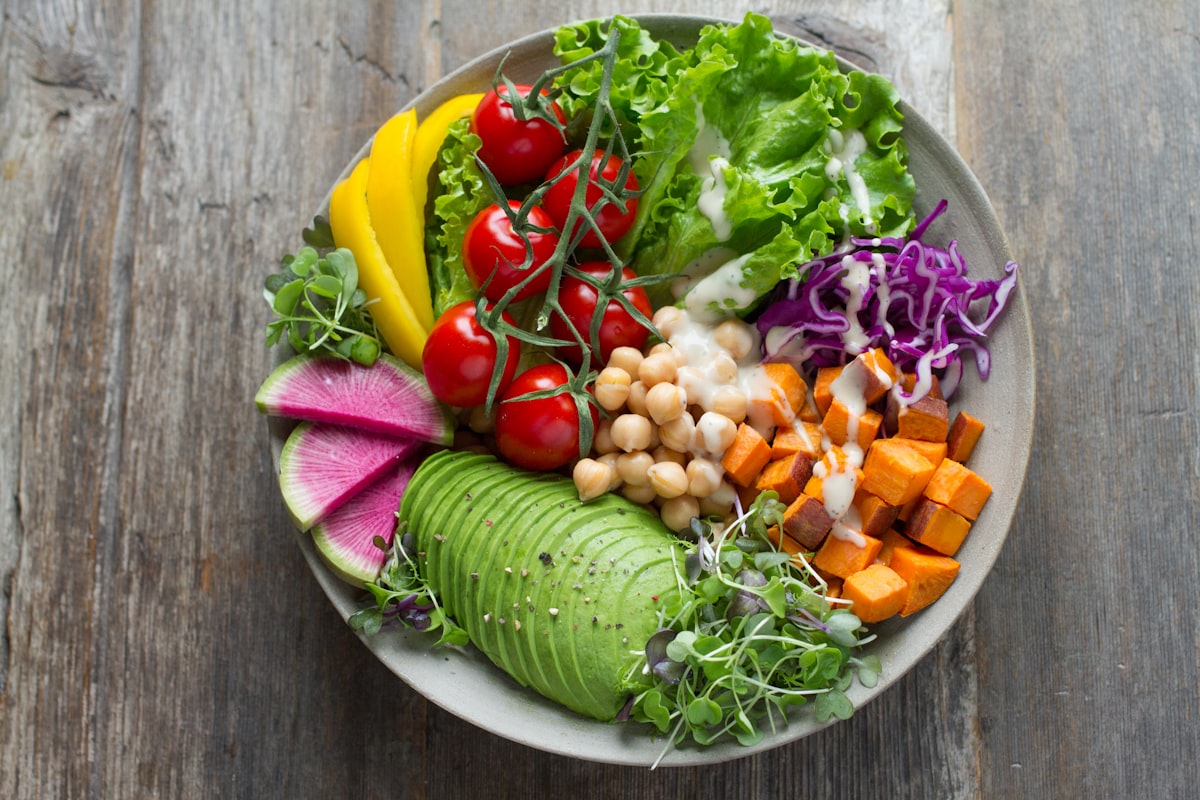
Berries, peppers, carrots, and cruciferous vegetables are rich in antioxidants and phytonutrients that protect brain cells from oxidative stress and support immune function.
Antioxidants reduce neuroinflammation
Legumes and Pulses
Beans, lentils, and chickpeas are excellent sources of plant-based protein, fibre, and minerals. They support stable blood sugar and feed beneficial gut bacteria.
Protein and fibre for steady energy
Nuts, Seeds, and Healthy Fats
Almonds, walnuts, avocados, and olive oil provide essential fatty acids, vitamin E, and minerals crucial for brain cell health and stress response regulation.
Support brain cell integrity and resilience
Discover detailed nutrition guides and recipes tailored to mental wellness
Explore Nutrition GuideCommon Questions About Diet and Mood
Answers to help you understand the nutrition-mental health connection
How quickly will changing my diet affect my mood?
Changes vary by individual. Some people notice shifts in energy and mood within days or weeks, particularly when addressing nutrient deficiencies or blood sugar imbalances. Others find that gradual improvements accumulate over months as new eating patterns become established and nutrient stores rebuild. Consistency matters more than dramatic overnight results.
Can nutrition alone address depression?
Nutrition is a powerful supportive tool, but emotional wellbeing is multifaceted. Sleep, movement, social connection, stress management, and other lifestyle factors all play crucial roles. Nutrition works best as part of a comprehensive approach to mental health. Always consult with appropriate healthcare professionals about your overall wellbeing.
Which nutrients are most important for mood?
Key nutrients include omega-3 fatty acids, B vitamins (especially folate and B6), magnesium, zinc, iron, and amino acids from protein. However, nutrients work synergistically—no single nutrient is a "magic bullet." A balanced, whole-food approach that addresses multiple nutrient needs tends to be most effective.
What if I have specific food preferences or dietary restrictions?
A nutrition approach should work with your life, not against it. Whether you follow a vegetarian, vegan, gluten-free, or other dietary pattern, it's possible to meet your nutritional needs for mental wellbeing. The key is understanding the nutrient goals and finding foods within your preferences that meet them.
Is there a connection between blood sugar and mood?
Yes, absolutely. Blood sugar spikes and crashes trigger stress hormone release and affect neurotransmitter production. Stabilising blood sugar through balanced meals with protein, healthy fats, and whole grains helps maintain steady energy and a more stable mood throughout the day.
How does gut health influence mental wellbeing?
Your gut microbiome—the community of bacteria in your digestive system—produces neurotransmitters and metabolites that influence mood and brain function. A healthy, diverse microbiome is supported by fibre-rich foods, fermented foods, and minimising ultra-processed foods. The gut-brain connection is one of the most researched areas in modern nutrition science.
More questions? Browse our comprehensive FAQ section
View All FAQsReader Success Stories
How nutrition insights have supported emotional wellbeing
"After learning about the connection between my eating patterns and mood, everything started to make sense. I made gradual changes— p class="text-gray-600 mb-6 italic leading-relaxed">"After learning about the connection between my eating patterns and mood, everything started to make sense. I made gradual changes—nothing drastic—and within weeks I felt more energized and focused than I had in years."
- Marcus T., Software Developer
"I've tried every diet out there. What makes Dietalchemywell different is the focus on understanding *why* I eat, not just *what* I eat. The personalized guidance has been transformative."
- Jessica M., Yoga Instructor
Ready to Transform Your Relationship with Food?
Join thousands who've discovered the alchemy of mindful eating. Start your journey today with a personalized consultation.